




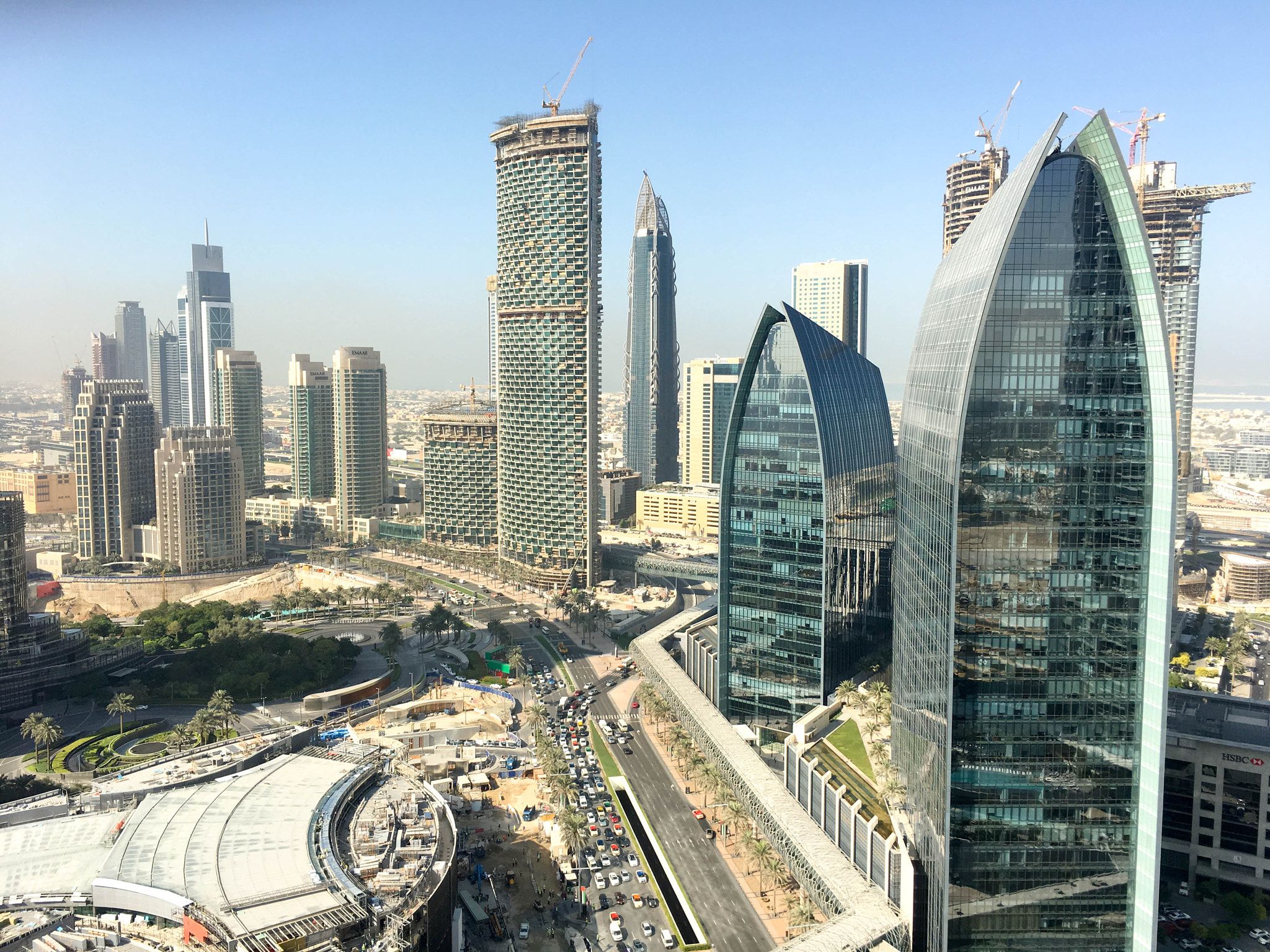
Dubai has become a global symbol of architectural ambition and urban innovation. Known for breaking records and redefining skylines, the city continues to push the boundaries of high-rise living. Super-tall residential towers—defined as skyscrapers exceeding 300 meters in height—are no longer just icons of engineering but also a lifestyle choice for residents seeking luxury, convenience, and prestige. As the population of Dubai grows and land becomes more valuable, vertical living is poised to play an even greater role in the city’s future.
The Role of Property Management Companies in Dubai
As demand for super-tall towers increases, the role of property management companies in Dubai becomes more significant. Managing these towering residences is a complex task, involving advanced safety systems, high-capacity elevators, energy efficiency measures, and luxury amenities such as sky lounges, rooftop pools, and wellness centers. Property managers not only maintain the day-to-day operations of these vertical communities but also ensure that residents enjoy a seamless living experience. With more towers being planned and completed every year, property management firms are adapting by implementing smart building technologies and eco-friendly practices to keep pace with the city’s vision for the future.
Why Vertical Living Appeals to Buyers and Tenants
Super-tall residential towers offer a unique appeal that goes beyond their breathtaking height. For many residents, the allure lies in the panoramic views of Dubai’s skyline, coastline, and iconic landmarks like the Burj Khalifa and Palm Jumeirah. These properties also often come with state-of-the-art facilities, ranging from private gyms and spas to co-working spaces and sky gardens.
Another advantage is the location. Many of Dubai’s tallest residential projects are concentrated in prime areas such as Downtown Dubai, Dubai Marina, and Business Bay. Living in these towers places residents at the heart of the city, with easy access to business hubs, retail districts, and entertainment venues. For professionals and expatriates, vertical living offers a lifestyle that balances convenience with sophistication.
Urban Density and Land Optimization
Dubai’s urban planners are also embracing vertical living as a solution to manage space efficiently. With a growing population and limited land in central areas, super-tall towers allow developers to house more residents without expanding outward. This form of density helps reduce urban sprawl while preserving space for parks, cultural landmarks, and other infrastructure projects.
By stacking residential units vertically, developers can integrate mixed-use elements within the same tower or cluster. This means that residents don’t just live in these buildings—they also shop, dine, and work in the same environment. The rise of vertical living is essentially transforming skyscrapers into self-contained communities.
The Role of Technology in Super-Tall Towers
Technology is at the heart of Dubai’s vertical living future. Innovations such as high-speed elevators, energy-efficient glass, smart climate control, and integrated building management systems make living in these towers both safe and comfortable. Developers are also experimenting with renewable energy solutions, such as solar panels and smart water recycling systems, to align with Dubai’s sustainability goals.
Smart homes within these towers are becoming increasingly standard. Residents can control lighting, security, and temperature via mobile apps, while property managers monitor energy consumption and predictive maintenance using IoT-enabled systems. This technological integration makes vertical living not only futuristic but also sustainable.
Lifestyle and Community in the Sky
While height is a defining factor, community is the true measure of success for super-tall towers. Developers are increasingly focusing on creating communal spaces that bring residents together. Rooftop lounges, sky gardens, children’s play zones, and co-working hubs are designed to foster interaction while providing breathtaking views.
These towers also reflect Dubai’s cosmopolitan character. Residents often come from diverse backgrounds, creating a melting pot of cultures within a single building. Vertical living in Dubai is not just about luxury; it’s about building vibrant communities high above the ground.
Investment Potential in Vertical Living
For investors, super-tall towers represent an attractive opportunity. Properties in these buildings often command premium rents due to their location, amenities, and status. As Dubai continues to market itself as a hub for global professionals, demand for high-end residences in vertical towers is expected to remain strong.
Furthermore, limited availability of land in prime areas ensures that such properties retain their value over time. With more international investors and expatriates considering Dubai as a long-term base, super-tall residential towers are likely to see steady demand, both for sales and rentals.
Conclusion
Dubai’s vertical living future is more than just a continuation of its love for skyscrapers—it’s a practical and visionary response to urban growth, sustainability goals, and evolving lifestyle preferences. Super-tall residential towers combine cutting-edge technology, luxury amenities, and community living in a way that reflects the city’s global identity. With the support of experienced property management companies in Dubai, these vertical communities are not only redefining how people live but also shaping the city’s skyline for generations to come. As Dubai continues to innovate, living in the clouds may soon become the norm rather than the exception.
Want to know about The Resale Market: Tips for Selling Your Apartments for Sale in Dubai at a Profit Check out our Real Estate category.
