



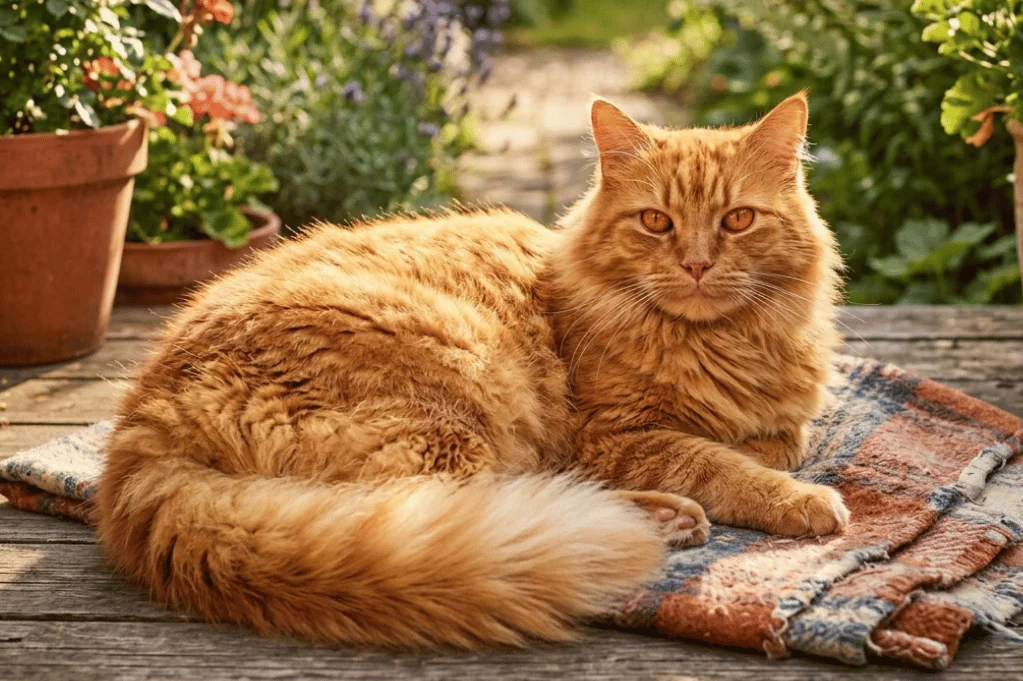
An orange Maine Coon combines the breed’s large build and shaggy coat with warm red pigment. Cat registries usually call this color “red,” not orange. The color changes appearance, but it does not create a separate breed or proven personality type.
An orange-colored cat of this breed is not a separate variety. Registries call the color red, which may appear solid, tabby, smoke, or with white. These cats share the breed’s size, coat, temperament, and health needs, while their coloring follows sex-linked genetics.
The Breed at a Glance
| Trait | What to Know |
|---|---|
| Official color term | Red, although owners commonly say orange or ginger |
| Common appearances | Solid red, red tabby, red-and-white, smoke, and related combinations |
| Build | Large, rectangular, muscular, and slow-maturing |
| Temperament | Gentle, social, playful, and people-oriented |
| Coat care | Regular combing, with extra grooming for mat-prone coats |
| Health screening | HCM, hip dysplasia, SMA, and other breeder-relevant testing |
| Life expectancy | TICA currently lists 12.5+ years |
TL;DR
- Registries usually call the orange or ginger coat red.
- A 2025 study tied orange coloring to an X-linked change involving ARHGAP36.
- Care needs come from the breed’s size, coat, and inherited health risks, not its color.
What Is an Orange Maine Coon?
Breeders and registries use red for the coat family that owners often call orange or ginger. CFA recognizes solid red, red tabby, red-and-white, and related silver or smoke combinations. TICA also lists red among accepted colors and common tabby choices.
That means a cat can look pale peach, copper, or deep reddish-orange without representing a different breed. Cream is the dilute, lighter color recognized separately within the standards. White spotting can also add a white chest, paws, face, or belly.
Why the Orange Coat Is Genetically Different
In 2025, two research teams solved a long-standing genetics question about orange domestic cats. They linked the trait to a small deletion affecting ARHGAP36 on the X chromosome. The change alters pigment-cell activity and shifts hair production toward yellow-red pigment.
Because the orange variant is X-linked, males need only one copy to show the color. Females need orange-associated copies on both X chromosomes to appear fully orange. Females with mixed X-linked variants often show tortoiseshell or calico patchwork instead.
Are These Cats Rare?
Red is an established color within both CFA and TICA breed materials. Fully orange females are less common because of the trait’s X-linked inheritance. Availability still varies with breeder plans, location, litter genetics, and buyer demand.
Be cautious when a seller uses “rare orange” alone to justify a steep premium. Color does not replace health screening, pedigree documentation, or responsible kitten raising. Health practices matter more to long-term ownership than a marketing label.
How Big Do They Get?
TICA describes the Maine Coon as one of the largest domestic cat breeds and notes slow maturation. Its current overview lists adult males around 18–22 pounds and females around 12–15 pounds. Many do not reach full maturity until about four years of age.
Size varies, so a kitten’s final weight cannot be guaranteed from color or oversized parents alone. Focus on steady growth, body condition, and veterinary guidance instead of chasing record-breaking size. Excess weight can increase physical strain and make routine care harder.
Temperament and Family Fit
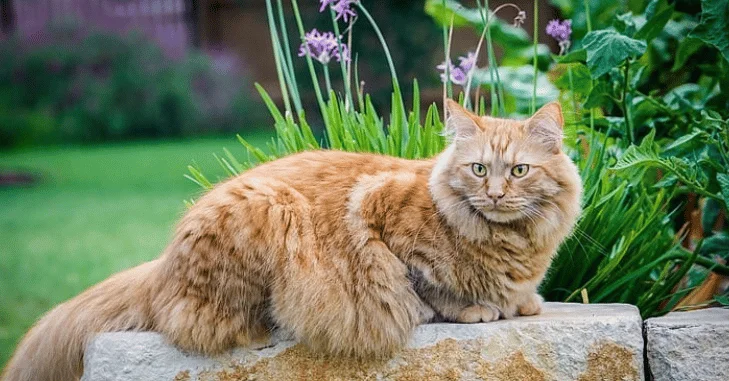
The breed is usually described as gentle, social, playful, and people-oriented. TICA says many individuals follow family members, enjoy interactive games, and communicate with chirps or trills. Individual behavior still depends on genetics, socialization, handling, health, and home conditions.
Orange coloring has no established evidence of changing feline intelligence. Choose the individual cat for temperament instead of relying on internet stereotypes. A calm, well-socialized kitten can matter more than coat shade.
Many households successfully keep these cats with respectful children, cats, and cat-friendly dogs. Introductions should still be gradual and supervised because each animal has different boundaries. Families with a resident dog can read Newsstact’s guide to how to choose a dog trainer and address canine behavior before adding a cat.
Grooming the Long, Shaggy Coat
The long coat needs regular combing because tangles can develop around several high-friction areas. TICA recommends regular coat care, while PetMD advises brushing several times weekly for many cats. Start handling paws, ears, and coat early so grooming feels predictable.
Use a suitable comb or brush, and work gently through the coat. Never pull forcefully on a tight mat or cut blindly near the skin. Ask a groomer or veterinarian for help with severe or skin-tight matting.
Trim nails regularly, brush teeth with feline toothpaste, and inspect the ears during routine care. Keep large litter boxes and sturdy scratching surfaces available for a big-bodied cat. Grooming also provides a useful chance to notice changes in skin, weight, or mobility.
Health Screening Matters More Than Coat Color
Orange pigment does not create a separate set of established breed diseases. TICA highlights hypertrophic cardiomyopathy, hip dysplasia, spinal muscular atrophy, and pyruvate kinase deficiency in breeding programs. Responsible breeders should explain their screening approach and provide documentation.
For HCM, TICA recommends DNA testing plus periodic echocardiograms reviewed by a veterinary cardiologist. DNA testing alone cannot identify every heart disease risk. Hip imaging and relevant genetic tests can provide additional information for breeding decisions.
Routine veterinary care remains important even when breeder tests are clear. Screening reduces certain known risks but cannot promise a disease-free life. Discuss weight, dental health, mobility, and heart concerns with your veterinarian.
What Does a Kitten Cost in the U.S.?
Prices vary across the United States according to breeder, pedigree, age, registration, and included care. PetMD currently gives a broad Maine Coon purchase range of about $400–$2,000. Some pedigreed breeder programs charge more, so treat any online range as a starting point.
Ask what the fee includes before comparing listings. Useful details include vaccinations, veterinary records, registration, health guarantees, microchipping, and spay-neuter terms. Never send a deposit until you have verified the breeder and the specific kitten.
Color should be one factor, not the entire buying decision. Health testing, temperament, early socialization, and transparent records deserve equal attention. TICA provides a member breeder directory for buyers seeking a structured starting point.
How to Prepare Your Home
Large cats need equipment that matches their body size. Choose a sturdy carrier, stable cat tree, wide scratching post, and roomy litter boxes. Place food, water, resting spaces, and hiding areas where the cat can use them comfortably.
Daily play helps support fitness and gives an intelligent cat something productive to do. Wand toys, food puzzles, fetch, and short reward-based training sessions work well for many individuals. Rotate activities instead of buying many toys and leaving them untouched.
If you enjoy researching social cat breeds, compare care needs with Newsstact’s Snowshoe cat guide. That breed has different grooming needs but similarly strong social tendencies. Side-by-side reading can clarify which activity and companionship level fits your routine.
Is This Cat Right for You?
This cat suits households that want an interactive, large, long-haired companion and can commit to coat care. It may suit you less if your priority is minimal grooming or a small living footprint. Think about time, space, veterinary costs, and lifetime care before choosing by color.
Meet the kitten or adult when possible and ask to see health and registration records. Watch how the cat responds to handling, play, noise, and unfamiliar people. A responsible decision starts with the whole animal, not the coat.
Frequently Asked Questions
Are orange Maine Coon cats rare?
The color itself is officially recognized and can appear regularly within the breed. Fully orange females are less common because the trait is X-linked. Local availability can still feel limited when demand exceeds planned litters.
Why are most orange cats male?
Orange coat genetics sit on the X chromosome. Males need one orange-linked copy, while females need compatible orange variants on both X chromosomes. That inheritance pattern makes orange males more common.
Is red the same as orange?
Yes, “red” is the formal registry term for the color family, which owners often call orange or ginger. CFA lists red and red tabby among recognized colors and patterns. Cream is a lighter, dilute color recognized separately.
Do orange cats have a different personality?
No established evidence shows that orange coloring creates a distinct intelligence or temperament profile. Breed tendencies and individual history are more useful guides. Evaluate the specific cat’s behavior, health, and socialization.
The Bottom Line
These cats stand out because warm red coloring appears on a large, shaggy, social breed. Their care needs come from size, coat, and inherited health risks rather than color alone. Good ownership depends on grooming, enrichment, veterinary care, and realistic budgeting.
Before choosing a kitten, verify breeder records and health screening instead of paying for a color label. Compare several cats and ask detailed questions before sending money. Then explore Newsstact’s Pets section for more practical pet guides.
