




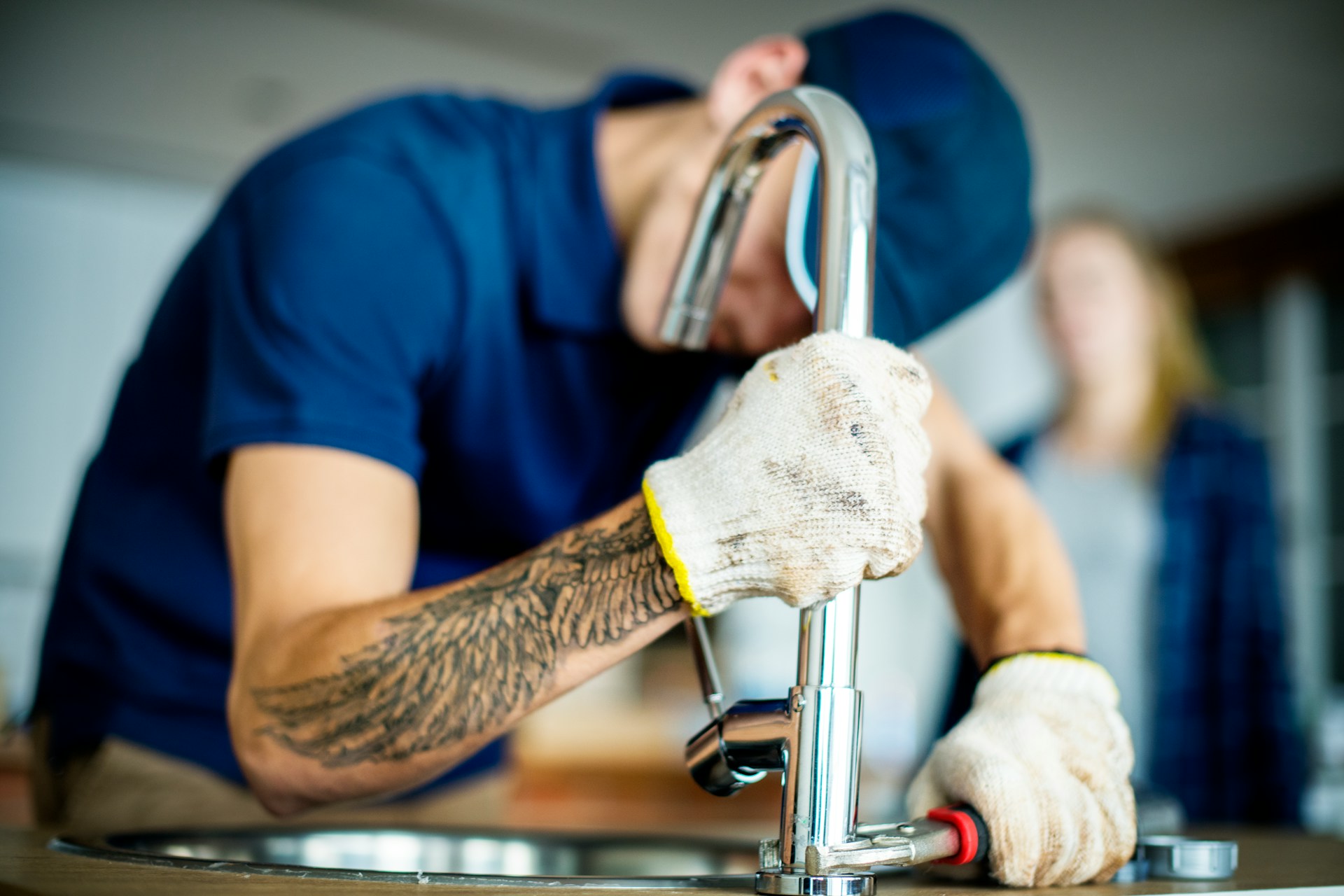
Plumbing problems rarely appear overnight. In many cases, expensive repairs begin with a small, hidden leak that goes unnoticed for weeks or even months. Early leak identification is essential to preventing significant financial loss for homes and businesses in a city like Houston, where aged infrastructure, shifting earth, and excessive rainfall constantly strain plumbing systems. Early Leak detection Houston is more than simply a maintenance chore. High water bills, disruptive repairs, and structural damage can all be avoided with this preventive approach.
Why Early Leak Detection Matters In Houston Homes?
Houston’s climate and soil conditions make plumbing systems especially vulnerable. Subterranean pipes are put under strain by expansive clay soil, which expands when moist and shrinks during dry spells. Over time, this movement can cause cracks or joint separations that allow water to escape slowly. These small leaks often remain hidden behind walls, beneath flooring, or under concrete slabs, making them easy to overlook.
When leaks go undetected, water continues to erode surrounding materials. Wood framing can rot, drywall can weaken, and foundations may shift due to excess moisture. Early leak identification enables homeowners to take care of these problems before they become serious enough to necessitate costly pipe replacements, floor demolitions, or concrete breaking.
Common Signs Of Hidden Plumbing Leaks
One of the challenges with leak detection is that not all leaks produce visible puddles. Many early warning signs are subtle and often dismissed. A sudden increase in water bills without a change in usage is one of the most common indicators. Persistent damp spots on walls or ceilings, musty odors, and unexplained mold growth may also point to a concealed leak.
In Houston homes, warm spots on the flooring can signal a hot water line leak beneath a slab. Low water pressure and the sound of running water when fixtures are off are additional signs that should never be ignored. Acting on these early clues can prevent minor leaks from turning into major plumbing emergencies.
How Early Detection Reduces Repair Costs?
The financial benefit of early leak detection lies in minimizing the scope of damage. Repairing a small pipe crack is far less expensive than addressing water damage to flooring, cabinetry, or structural components. When leaks are found early, repairs are typically localized, requiring less labor and fewer materials.
Additionally, early detection lowers the probability of emergency repairs. Plumbing emergencies often occur at inconvenient times and may require urgent service, which can significantly increase costs. By identifying leaks during routine inspections or at the first sign of trouble, homeowners can schedule repairs under controlled conditions and avoid premium emergency fees.
Protecting Foundations And Structural Integrity
Foundation damage is one of the most costly consequences of undetected leaks in Houston. Water leaking beneath a home can saturate the soil, leading to uneven settling or shifting. Over time, this movement may result in damage to load-bearing structures, misaligned doors, and wall fractures.
Early leak detection helps maintain consistent moisture levels around the foundation. By addressing leaks promptly, homeowners reduce the risk of soil erosion and structural instability. This proactive strategy maintains the home’s long-term value in addition to safeguarding its purity.
Preventing Mold And Health Concerns
Houston’s humid environment creates ideal conditions for mold growth when moisture is present. Even a small leak behind a wall can lead to mold colonies that spread quickly and compromise indoor air quality. In addition to being costly, mold removal may need short-term relocation while cleaning.
Detecting leaks early limits moisture exposure and reduces the likelihood of mold development. This is especially important for households with children, elderly residents, or individuals with respiratory conditions. Preventing leaks is not just about saving money. It is also about maintaining a healthy living environment.
Modern Leak Detection Techniques
Advancements in plumbing technology have made leak detection more accurate and less invasive than ever before. Professionals can now use acoustic listening devices, pressure testing, and thermal imaging to locate leaks without unnecessary damage to walls or floors. These techniques make it possible to pinpoint problem areas precisely, guaranteeing effective and focused repairs.
In Houston, where slab leaks are a common concern, non-invasive detection methods are especially valuable. They help homeowners avoid extensive demolition while still addressing the root cause of the problem. Investing in professional leak detection can ultimately save thousands of dollars in avoided repairs.
Long-Term Savings Through Preventive Maintenance
Early leak detection is most effective when combined with regular plumbing maintenance. Periodic inspections help identify wear and tear before it leads to failure. Valves, connectors, and aging pipes can be evaluated and replaced as needed, reducing the likelihood of unexpected leaks.
For Houston homeowners, preventive maintenance provides peace of mind. Knowing that the plumbing system is monitored and maintained reduces the risk of sudden water damage and costly repairs. Over time, the savings from avoided emergencies and reduced water waste can be substantial.
Conclusion
Preventing costly plumbing repairs starts with recognizing the importance of early leak detection. In Houston’s unique environment, small leaks can quickly escalate into major problems if left unchecked. Homeowners may safeguard their property, health, and finances by paying attention to warning indications, investing in contemporary detection techniques, and placing a high priority on preventive maintenance. Early action not only saves money but also ensures the long-term safety and reliability of a home’s plumbing system.
If you want to know more about Why Timely Furnace Repairs are Essential for Energy Efficiency, then visit our Home Improvement category.
