




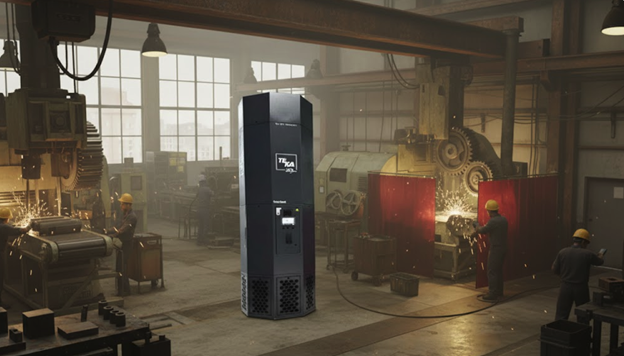
Installing industrial air purification systems is one of the most important steps in creating a safer, cleaner, and more efficient industrial environment. These systems help control fumes, remove airborne contaminants, and support healthier working conditions. However, even the best system can underperform if installed incorrectly. Many facilities unknowingly make mistakes that limit effectiveness, increase maintenance demands, and reduce long-term performance. Identifying these issues early ensures the system operates at its full capacity and provides reliable protection throughout the workspace.
Miscalculating Airflow Requirements
A frequent mistake is not properly evaluating the airflow requirements of the facility. Each workspace produces a different level of fumes depending on the number of stations, the type of equipment used, and the overall layout. If the system has insufficient airflow capacity, contaminants will linger and filtration will become inconsistent.
Proper airflow planning ensures the purification system can keep up with daily demands. When airflow is precisely matched to production levels, the system maintains clean air more easily, reducing strain and prolonging the lifespan of internal components.
Production often increases over time. Choosing a system that can accommodate growth prevents premature upgrades or performance issues.
Poor Placement of the Purification Unit
Even a high-quality system may underperform if it is installed in the wrong location. When purification units are positioned too far from the areas where fumes are generated, contaminants spread before the system can capture them. This reduces overall efficiency and increases the workload placed on filters and fans.
Strategic placement ensures fumes are captured as early as possible. With careful positioning, air purification becomes more effective, helping maintain consistent air quality throughout the facility.
Obstructions such as equipment, shelving, or structural elements can disrupt airflow. Confirming that the system has a clear intake path is essential for achieving optimal results.
Overlooking Modern Filtration Advancements
Some facilities select outdated or basic filtration technology without considering improved options available today. Modern systems offer greater efficiency, stronger filtration layers, and better adaptability for varied industrial applications. Choosing older technology often leads to higher maintenance costs and inconsistent filtration.
This is especially relevant as more facilities compare TEKA vs traditional ventilation approaches. Understanding the advantages of newer methods helps facilities make informed decisions that provide stronger protection and more consistent results.
Modern systems are designed for demanding environments and can significantly enhance long-term performance.
Neglecting Professional Calibration After Installation
Proper calibration is essential once the system is installed. When calibration is skipped, airflow imbalances and filtration inefficiencies can occur. Professional technicians ensure settings are accurate, airflow is evenly distributed, and all system components operate correctly.
Calibrating the system also ensures that filters are aligned, motors are functioning efficiently, and airflow meets the requirements of active work zones.
Routine testing after installation helps maintain peak performance and reduces unexpected complications over time.
Conclusion
Avoiding common installation mistakes is critical to achieving strong, consistent performance from an air purification system. Proper airflow assessment, strategic placement, modern filtration selection, and professional calibration all contribute to cleaner air, better efficiency, and reduced long-term maintenance. With thoughtful installation practices, facilities can enjoy reliable air purification and improved working conditions throughout their operations.
