




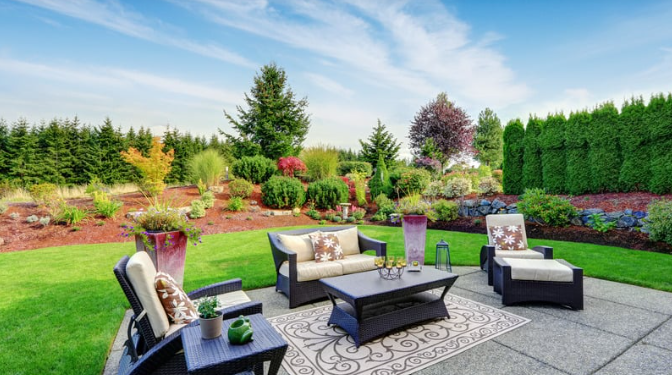
Creating a successful landscape involves more than visual appeal; it requires a deep understanding of the climate where it will live and grow. A well-designed outdoor space should work in sync with its environment, using local conditions to its advantage rather than fighting against them. That’s where working with professionals experienced in landscape design in Atlanta becomes crucial. They bring the knowledge and foresight to develop outdoor spaces that are resilient, sustainable, and tailored to thrive in the region’s unique weather patterns.
What Is Landscape Design?
To design a space that truly lasts, it’s essential to go beyond plant palettes and patio layouts. A comprehensive approach starts with understanding what landscape design is, which includes mastering the foundational elements, form, line, texture, color, and scale. These principles are more than visual tools; they influence movement, perception, and spatial balance.
When applied thoughtfully, especially in climate-sensitive environments, these elements help craft a design that feels natural and intentional. It’s not about forcing a style onto a space; it’s about revealing the full potential of the site while respecting what nature already provides.
Design That Responds to Nature
Every climate zone presents its own challenges and opportunities. Dry, arid regions may demand drought-tolerant plants and water-smart irrigation, while humid or rainy areas need thoughtful drainage and airflow considerations. Designing with the climate in mind means optimizing plant selection, choosing materials that endure local conditions, and positioning elements for natural shade, sun exposure, and wind flow.
This kind of planning ensures your landscape isn’t just attractive, it’s functional, efficient, and sustainable year-round.
Choosing Plants and Materials That Fit the Environment
Climate-appropriate plantings are not just practical, they’re essential. Native and regionally adapted species require less water, withstand local pests, and perform better over time. They support biodiversity, reduce maintenance, and integrate seamlessly into the natural environment.
The same goes for materials. Stone, wood, or concrete should be chosen based on how they handle heat, cold, or moisture. In hotter climates, lighter surfaces that reflect sunlight can reduce heat buildup, while in wetter zones, porous pavers can support better drainage.
Climate-Responsive Design in Action
Sustainable landscape design considers everything from wind direction to topography. Strategic tree placement can provide shade and wind protection, reducing energy loads on the home. Proper grading ensures runoff is directed away from structures, preventing erosion and pooling.
Designers think in terms of long-term performance, how a landscape will look and function, not just in its first season, but years into the future. This foresight makes the difference between a design that fades and one that grows better with time.
Planning for Change and Growth
A well-planned landscape adapts. It accounts for seasonal changes, growth patterns, and shifting climate conditions. Professionals evaluate plant maturity, root systems, and expansion needs to ensure the space evolves gracefully.
Planning ahead means fewer surprises, lower maintenance, and a design that stays aligned with its original intent even as the environment changes around it.
Conclusion
Designing with climate in mind isn’t limiting; it’s strategic. It leads to smarter choices, healthier landscapes, and outdoor environments that support both beauty and performance. When rooted in a true understanding of landscape design and guided by regional insight, your space becomes more than a backyard; it becomes a living, breathing part of the environment that works with nature, not against it.
